The cost of influencer marketing in Korea, when the audience is foreign, is not set by headcount alone. Five things decide the quote: which language markets you are targeting, the follower tier of the creators, who actually makes the content, whether it is a one-off or a monthly programme, and how much reviewing and reporting is included. Settle those five before you ask for prices and you will be able to compare proposals properly, and split a budget sensibly.
At Trend Seoul we have run TikTok seeding with Japanese- and English-speaking creators (16 videos, 891K views), produced reels for K-beauty pharmacies, and run monthly content for a brand's two language channels. This is where the numbers on a quote actually come from.
1. The number of language markets sets the structure
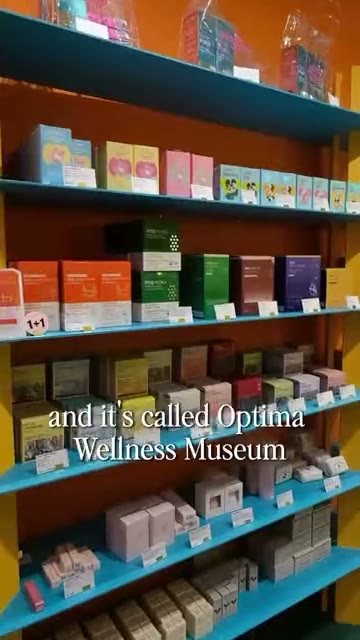
Foreign-audience seeding runs separately for each language. It is not a Korean video with subtitles added. Each language group needs its own creator recruitment, its own brief in that language, and someone who can check what goes live in that language. So adding a market does not just add creators. It adds a whole extra set of recruiting page, brief and review.
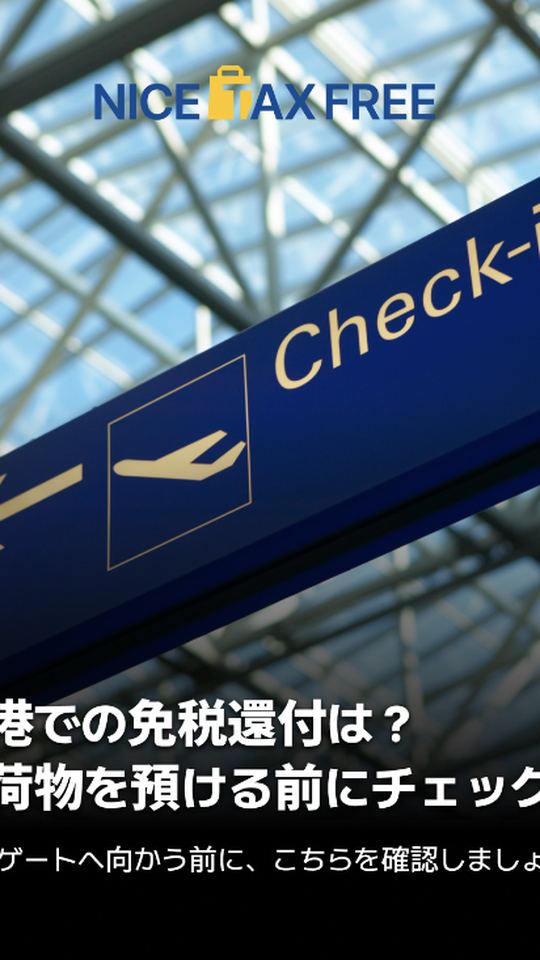
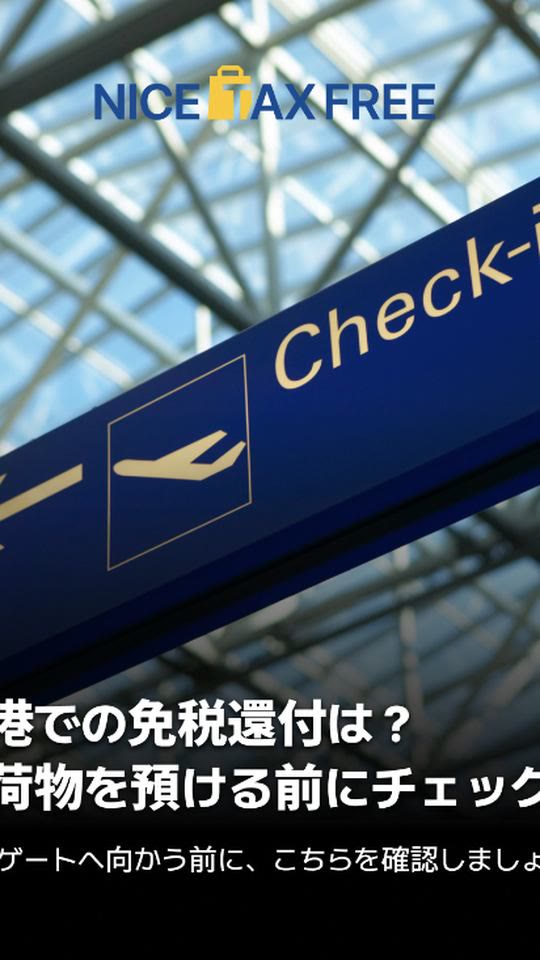
The NICE TAX FREE BUS campaign opened recruiting in Japanese, English and Chinese, each with its own briefing page and application form. The creators who posted were four Japanese-speaking and three English-speaking, each making content in their own language and channel tone, and the eight videos reached 752K TikTok views. No Chinese-speaking creators applied. If you come to a first conversation with "Japanese tourists" or "Traditional Chinese speakers" rather than "foreigners in general", the quote you get back will be far more precise.
2. How are creator fees set for influencer seeding in Korea?
Each creator's fee is set by their follower count, and within one language market that fee is the core of the budget. We run seeding on a structure where each creator's fee is calculated automatically from their follower count. Negotiating every creator individually takes time and makes the standard drift from one person to the next.
With fees tied to tiers, a budget can go two ways:
- Concentrate on a few creators with larger followings
- Spread across more creators with smaller followings for wider coverage inside one market
Whether to concentrate or spread depends on the goal. If you want people to walk into a shop, what matters more than raw follower count is whether the channel is watched by people who would actually visit. Our creator pool has 185 English-speaking and 1,319 Japanese-speaking creators, so we can propose a mix of both approaches within the same budget.
3. How does creator seeding compare with in-house production on cost?
Creator seeding is mostly creator fees plus campaign management; in-house production adds a separate production cost on top. In seeding, creators make the content for their own channels. The brand provides the product or the visit, and the creator shoots and edits in their own voice.
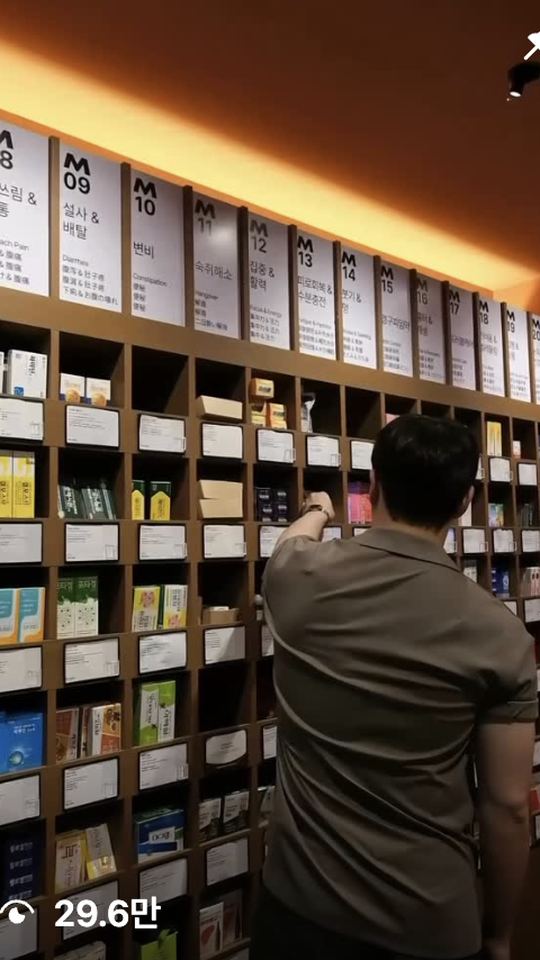
When a specialist team plans, shoots, edits and subtitles the content instead, there is a production cost on top. For the K-beauty pharmacy campaign we designed a different hook for each pharmacy and made the reels ourselves. Four pharmacies and five reels came to 460K plays in total, and OWM Pharmacy adopted its Seongsu reel as its official brand film. Producing in-house adds cost, but it gives you tighter control of quality and message, and the finished film can be reused as the shop's own promotional material.
Many brands combine creator seeding and in-house production. One or two core films are produced properly, and their structure then becomes the brief for a wider seeding round.
| Aspect | Creator seeding | In-house production |
|---|---|---|
| Who makes it | Creators shoot and edit for their own channels, in their own voice | A specialist team plans, shoots, edits and subtitles |
| Where the cost sits | Creator fees plus campaign management | A separate production cost on top |
| Strength | Made in each creator's own language and channel tone | Tighter control of quality and message; reusable as the shop's own promotional material |
| Trend Seoul example | NICE TAX FREE BUS (TikTok seeding in Japanese and English, 8 videos) | K-beauty pharmacy campaign (four pharmacies, five reels) |
4. How is a one-off campaign priced differently from a monthly programme?
A one-off campaign covers a single cycle from recruitment to report, while a monthly programme covers a set number of pieces delivered at the same density every month.
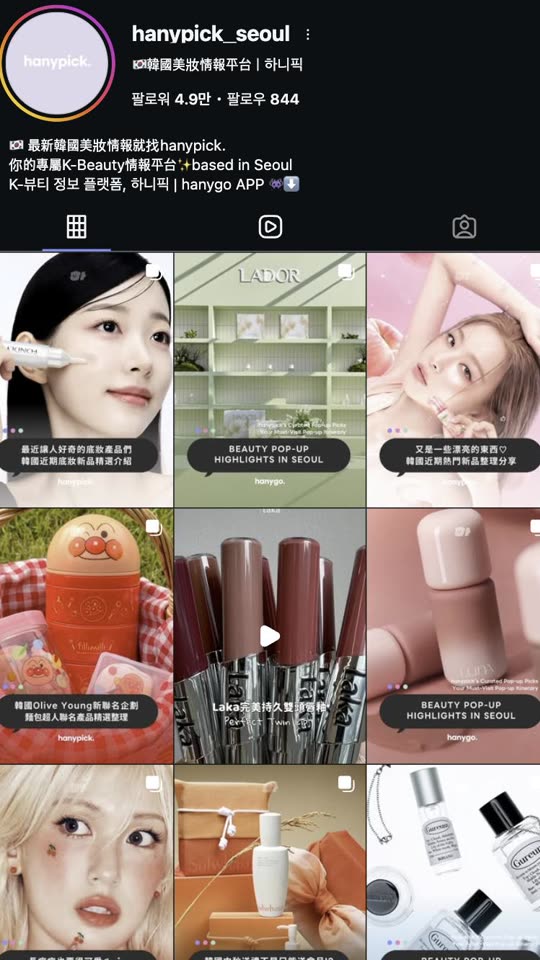
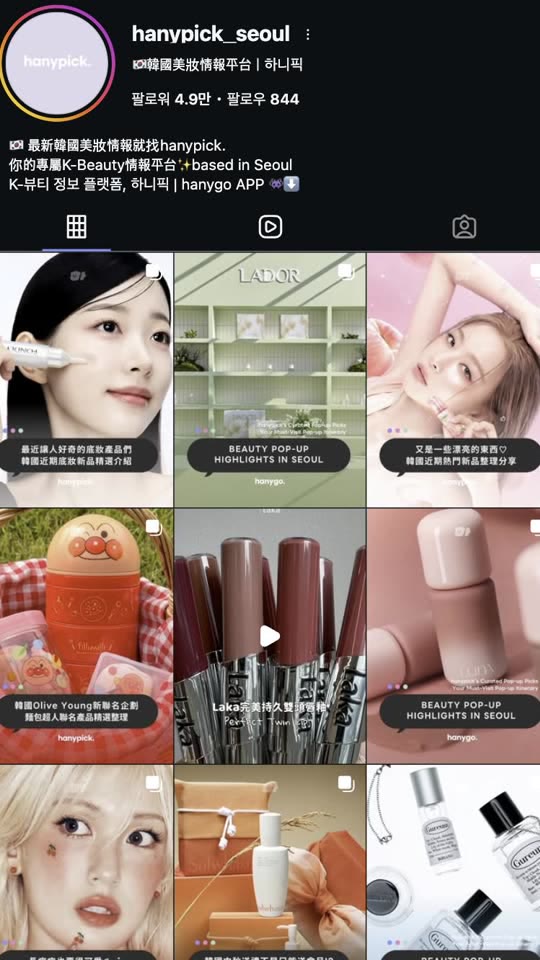
hanypick, a K-beauty information platform with 49K followers, is a monthly programme: ten pieces a month across two channels. The mix is three Seoul reels, three global reels and four global carousels, with the approved pieces shot in three sessions a month. hanypick handles uploading and runs the accounts itself. Splitting roles like this means a brand only pays for the scope it needs, and from the second month the format mix can shift towards what is working.
5. Review and reporting belong on the quote too
The line most often missing from a quote is review and reporting. With many creators, required elements such as the shop name, a shot that shows the location, or the campaign hashtag slip out one at a time, and checking them before and after upload takes real hours. So does a report that gathers views, saves and shares per post and compares them by language market.
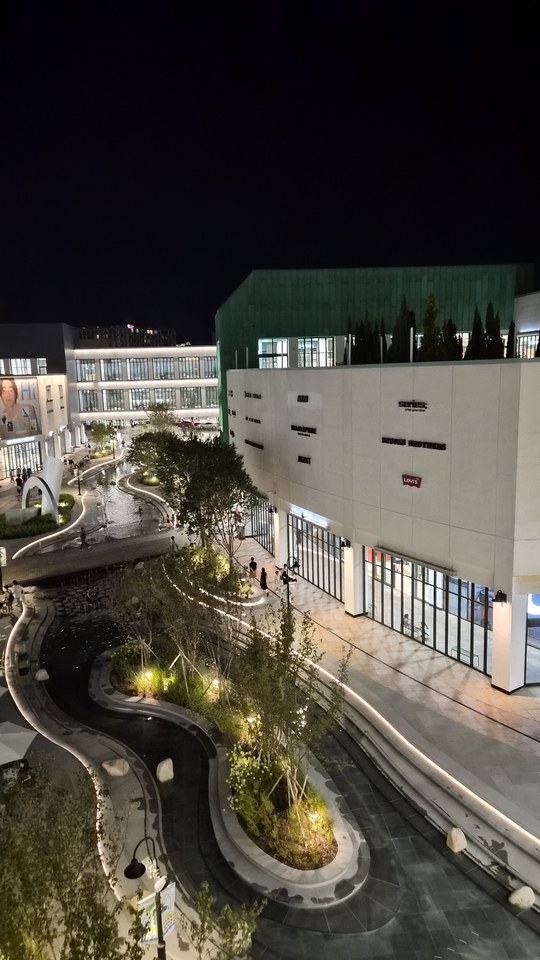
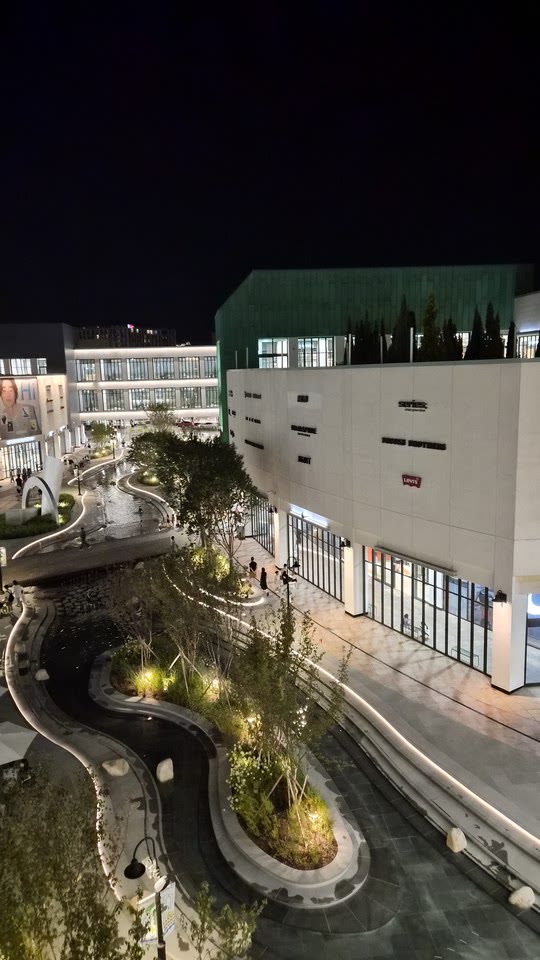
For Gimpo Hyundai Outlet we reused the exact system built for NICE TAX FREE BUS. Once the recruiting pages, fee structure and review standards exist, the second campaign costs less to set up. Tell us at the start whether this is a one-off or the first of several, and the quote can reflect that.
Checklist before you ask for a quote
- Have you narrowed the target to one or two language markets?
- Is the goal shop visits, awareness, or a library of content?
- Do you need creator seeding, in-house production, or both?
- Is it a single campaign or a monthly programme?
- Are upload review and a performance report in scope?
Once language markets, goal, production method, campaign length and review scope are settled, it becomes clear what a given budget can buy. Rather than a rate card, we send a strategy proposal and a quote shaped to your budget and goal. How we run it is set out on the foreign influencer seeding page.
Frequently asked questions
How do I get a quote for influencer marketing in Korea?
Trend Seoul sends a strategy proposal and a quote shaped to your budget and goal, rather than a rate card. The quote is most precise when you arrive with your target language markets, your goal (shop visits, awareness or a library of content), the production method, the campaign length and the review and reporting scope.
Why does targeting more countries make influencer seeding cost more?
Each extra language market adds a whole set of recruiting page, brief and review, not just more creators. Foreign-audience seeding needs its own creator recruitment, a brief in that language and checks on what goes live in that language. Trend Seoul opened NICE TAX FREE BUS recruiting in Japanese, English and Chinese, each with its own briefing page and application form.
Should I use a few big influencers or many smaller ones?
It depends on the goal. If you want people to walk into a shop, whether the channel is watched by people who would actually visit matters more than raw follower count. Trend Seoul's creator pool of 185 English-speaking and 1,319 Japanese-speaking creators lets us propose a mix of both within the same budget.
Is a repeat influencer seeding campaign cheaper to set up?
Yes, once the recruiting pages, fee structure and review standards exist, the second campaign costs less to set up. Trend Seoul reused the system built for NICE TAX FREE BUS for the Gimpo Hyundai Outlet campaign. Saying at the start whether a campaign is a one-off or the first of several lets the quote reflect that.